In my article in The Financial Post, “Why Nice Guys Can Finish First in Business,” I said ““our culture for some time has embraced the notion that the strongest, toughest and most aggressive leaders get the job done and are more desirable, than “likeable,” or humble people who are viewed to be weak.” Despite the fact that this stereotype continues to be embraced by many and projected in the media, it doesn’t reflect changing times or recent psychological and business research.
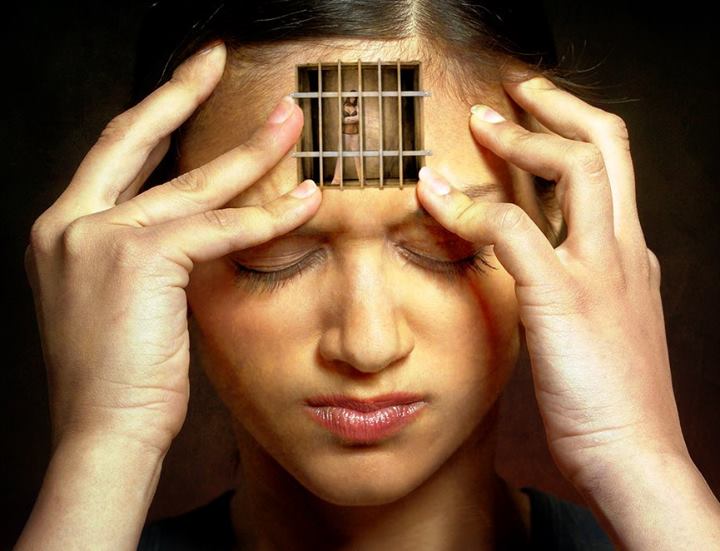
The capacity to emphasize the negative rather than the positive has probably been an evolutionary phenomenon. From our earliest beginnings, being aware of and avoiding danger has been a critical survival skill.
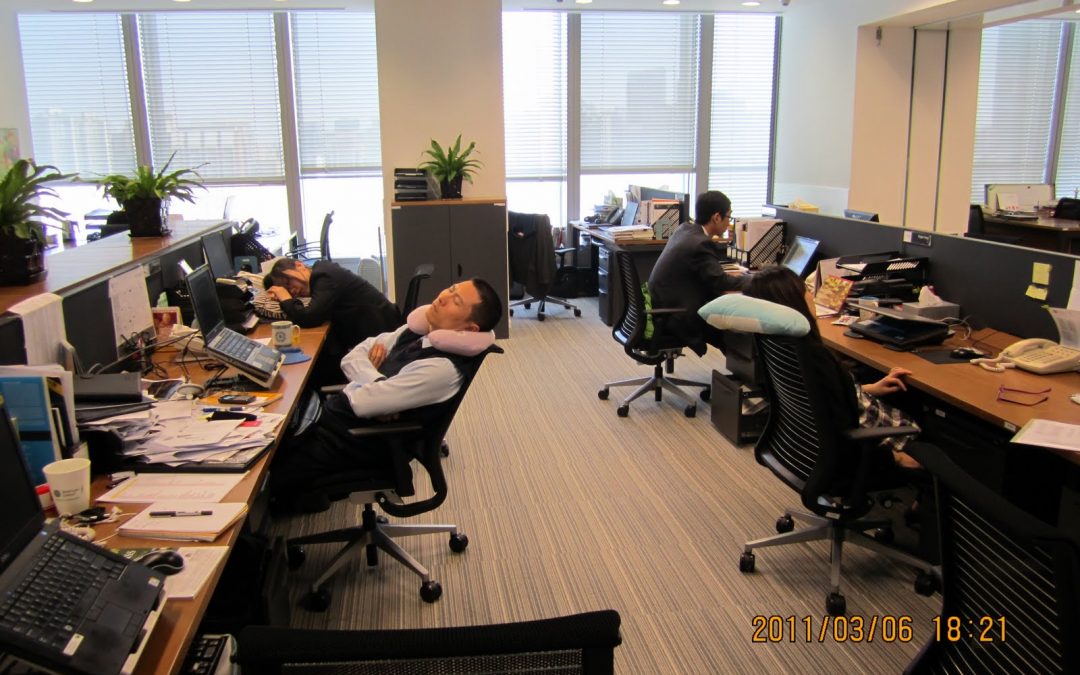
Want to be smarter, more alert, and more productive? Well, the answer may lie in napping. People who catch 40 winks or an even longer nap during the day are often viewed to be lazy, less productive, and possessing inadequate sleep. Not so, according to recent brain research.
The recession has caused a significant economic adjustment, including a realignment of assets and the demand and supply of talent. Along with these adjustments has been renewed debate over issues such as the distribution of wealth, the disappearing middle class and the belief in meritocracy. Some recent experts have reaffirmed a perception that both the belief in the “self-made man” and the benefits of meritocracy are largely myths and don’t serve society well.
Will “live” coaches and therapists be replaced by online avatars using interactive technology? Will creative inventors recognize the preference of younger people to use their smartphones and tablets for all of their social interactions? There are clear signs we are already moving in that direction.